The Evolution of Proteins: Decoding New Consumer Expectations

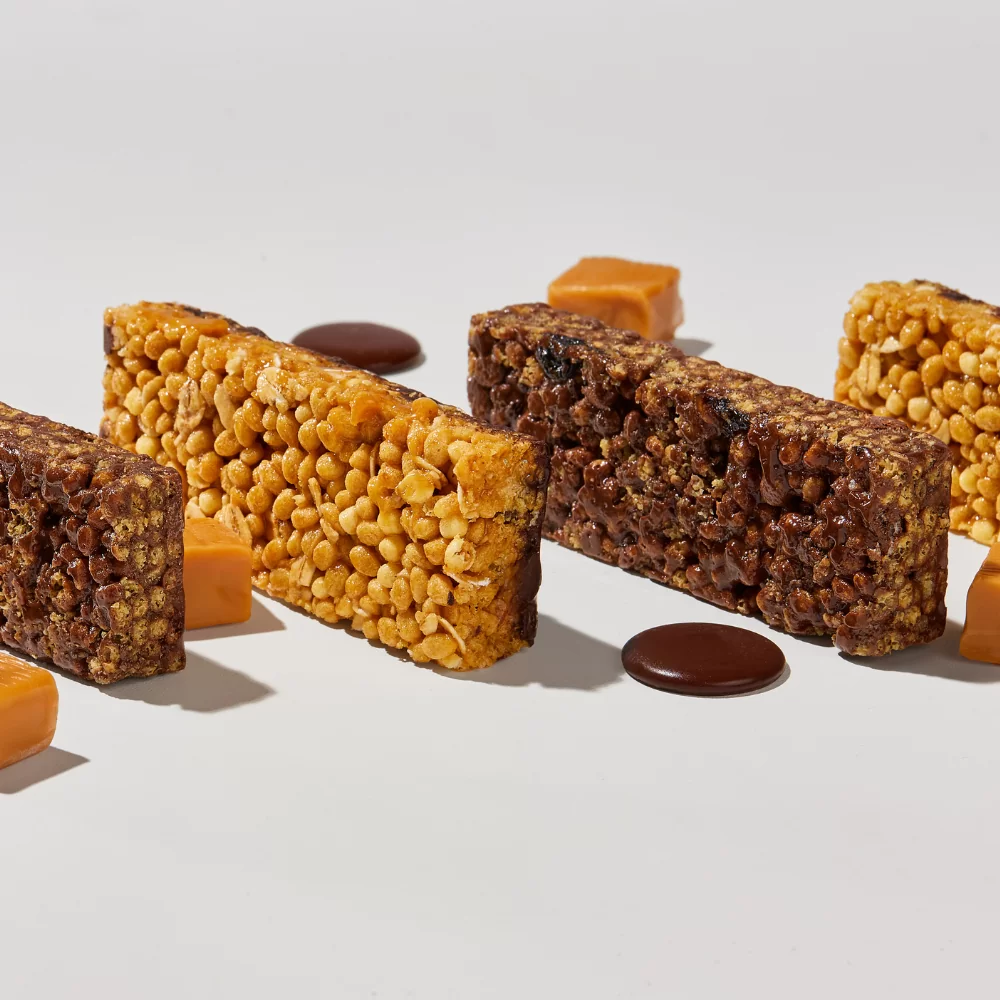
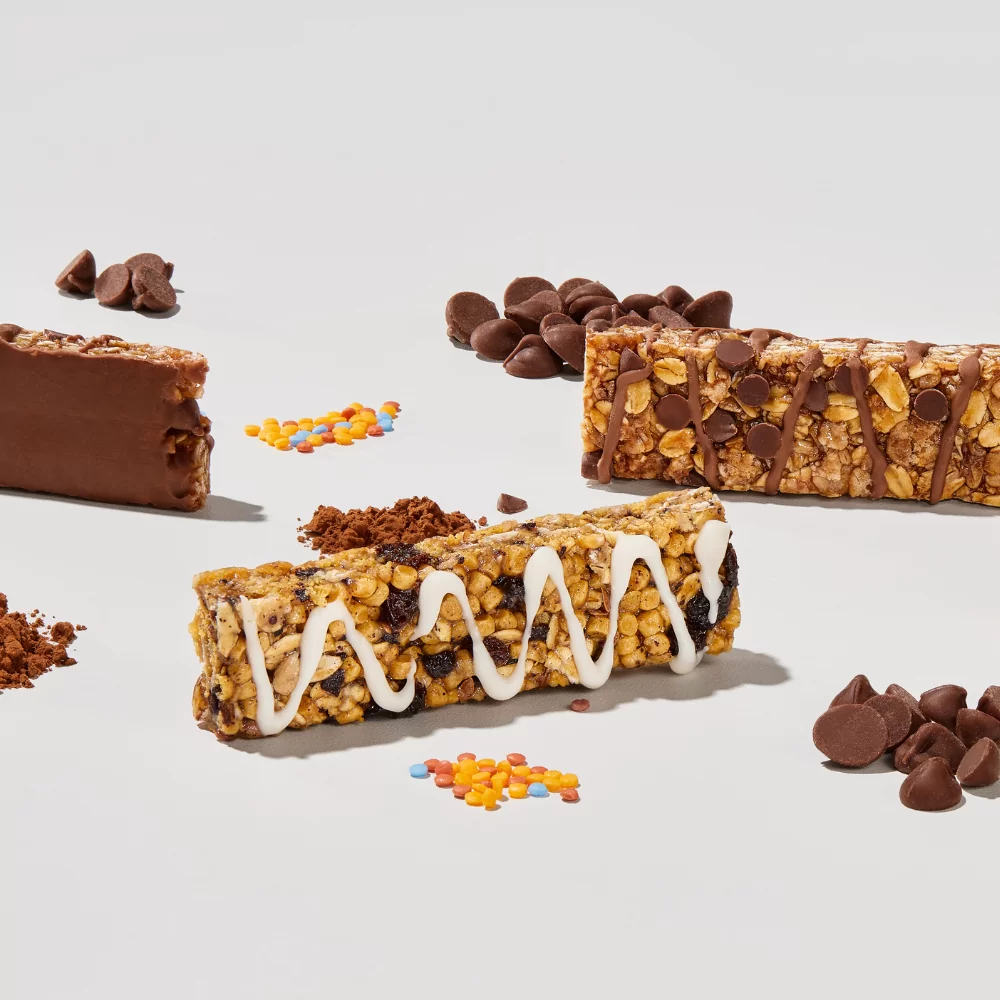
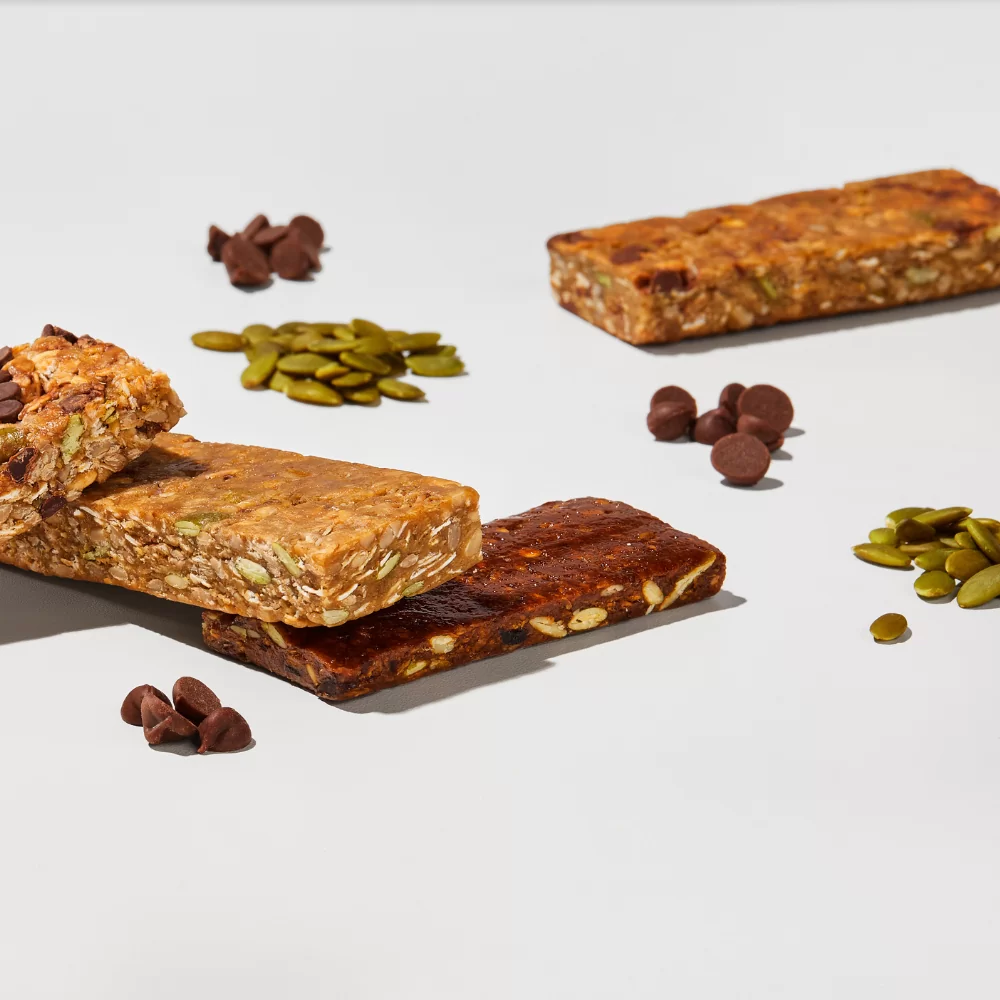
Discover our protein bars
Proteins are no longer a product reserved for elite athletes. They have become a central component of everyday nutrition. Today, whether as meal replacements, post-workout snacks, or support for overall health, consumers integrate protein into all moments of the day.
However, expectations are no longer the same as they were a few years ago. The market has become fragmented, and requirements vary significantly by region, particularly between Europe and North America.
A comprehensive approach to health
The motivation behind protein consumption has changed. The focus is no longer only on physical performance, but on overall metabolic balance:
Satiety management: Proteins play an essential role in promoting feelings of fullness. Insufficient protein intake can increase hunger and lead to more frequent snacking. Ensuring adequate protein consumption throughout the day has therefore become a priority.
Active aging: A growing segment of the population now uses protein snacks to preserve muscle mass and maintain independence for longer.
In Europe: Transparency, Ethics, and Simplicity
The European market is arguably one of the most demanding when it comes to product composition and sourcing.
Diversification of plant-based sources
While soy remains present, it is increasingly being replaced by a wide variety of plant sources such as peas, fava beans, rice, sunflower, fermented yeast, etc. These sources are favored for their lower environmental footprint and their “natural” image.
The rise of “clean label”
European consumers carefully read ingredient labels. They look for short, understandable ingredient lists without unnecessary additives. A product’s success in Europe depends on its ability to deliver a complete nutritional profile using ingredients that could be found in a home kitchen.
In North America: Taste, Efficiency, and Innovation
In the United States and Canada, nutrition must also deliver pleasure. Products need to be effective and convenient, but above all, enjoyable.
Functional indulgence
The American challenge is to turn a healthy snack into a pleasurable experience. Consumers seek varied textures from crunchy to creamy as well as indulgent inclusions and dessert-inspired flavors (salted caramel, cookie dough). The idea is to enjoy oneself without compromising health goals.
The rise of savory options
To diversify beyond sweet flavors (chocolate/vanilla), savory options are gaining ground. Bars or snacks flavored with spices, herbs, or salted nuts are meeting a growing demand for variety, particularly for afternoon snacking.
Added benefits
Protein alone is no longer enough. Products are often enhanced with functional ingredients to support focus, natural energy (green caffeine), or stress management (adaptogens).
Strategic Market Comparison
| Selection criteria | Europe | North America |
| Priority | Sustainability, naturalness, ingredient quality | Taste, satisfaction, and immediate effect |
| Flavor profile | Natural and low in sugar | Intense, flavorful, and varied |
| Key ingredients | Diverse plant-based proteins, organic and local sourcing | Whey, collagen, complex protein blends |
| Format | Balanced and eco-designed | Convenient (“on-the-go”) and highly varied |
Challenges of Modern Formulation
Developing a high-quality protein bar requires strong technical expertise. Proteins are complex ingredients that continue to evolve over time.
Texture stability: One of the biggest challenges is preventing products from hardening prematurely. Maintaining a soft, pleasant texture throughout the product’s shelf life requires precise formulation control.
Product segmentation: The industry no longer develops a single product for all consumers. Instead, it creates tailored formats such as bite-sized snacks for children, dense bars for athletes, or lighter options for office snacking.
Technological innovation: The integration of sensitive ingredients (such as probiotics) or new protein sources requires precise manufacturing processes in order to avoid altering the final product.
The protein market has entered a mature phase. It is no longer simply about meeting basic nutritional needs, but about aligning with consumers’ values and lifestyles. Whether focusing on environmental ethics or sensory experience, the key to success lies in the ability to innovate without compromising quality or the consumption experience.
This market evolution also represents a significant challenge for snack and protein bar manufacturers. Meeting expectations in terms of taste, nutrition, texture, and transparency requires in-depth expertise in formulation and manufacturing processes.